Grevillea plants are primarily native to Australia, where they can be found in a wide range of habitats, from coastal regions to mountainous areas. Their adaptability to different environments makes them popular choices for landscaping in various parts of the world. In modern backyards and gardens, Grevillea species are valued for their aesthetic appeal, low maintenance requirements, and wildlife-attracting properties.
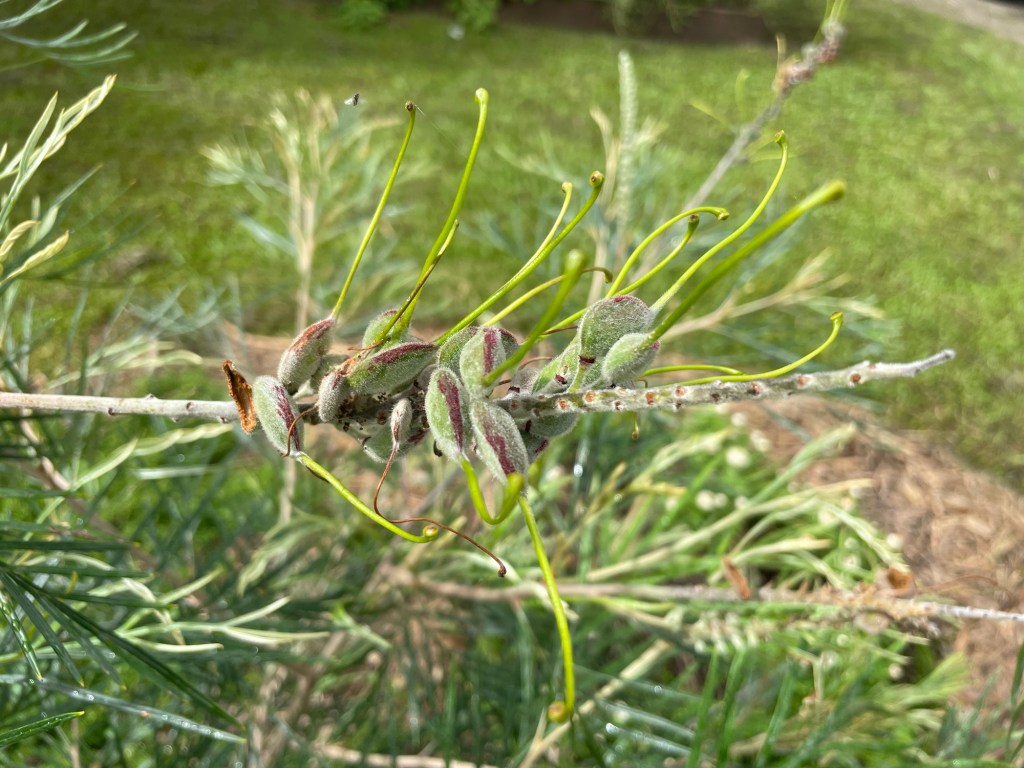
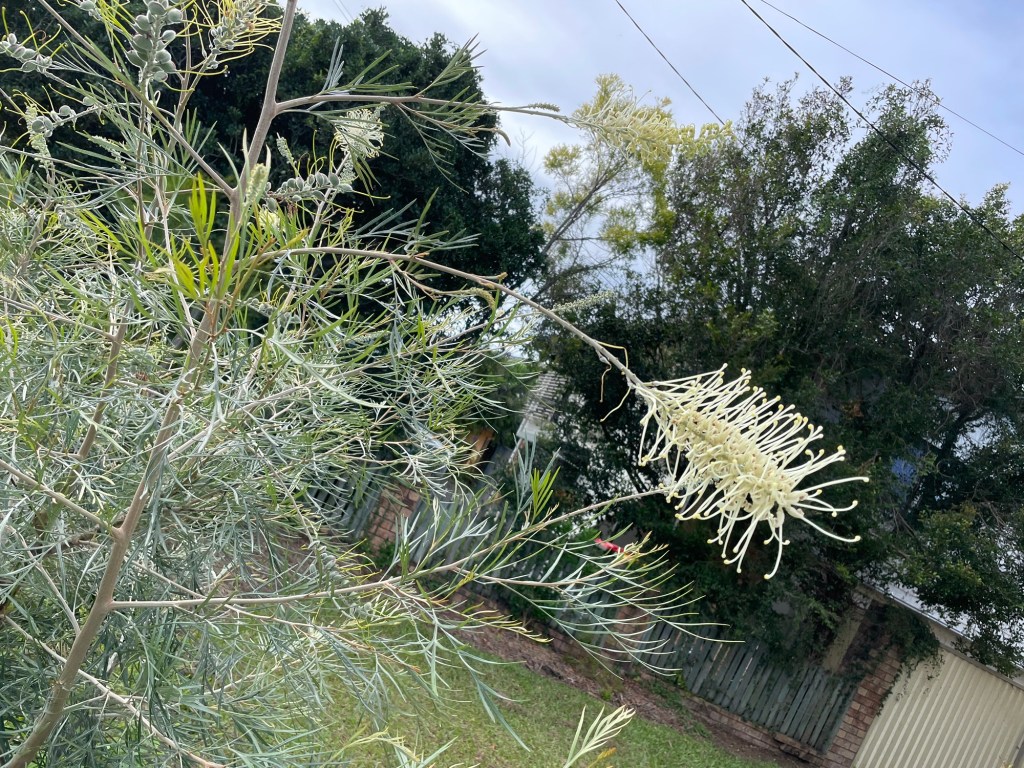
In contemporary landscape design, Grevillea plants are often used to create visually striking and ecologically sustainable garden spaces. Their vibrant and diverse flower shapes and colours add interest and beauty to outdoor settings. The architectural form of Grevillea shrubs and trees can provide structure and texture to garden beds and borders. Incorporating Grevillea species into garden landscapes helps attract native birds, bees, and butterflies, enhancing the overall biodiversity of the environment. This, in turn, creates a harmonious ecosystem within the garden, where wildlife not only adds life and movement but also contributes to pollination and pest control.
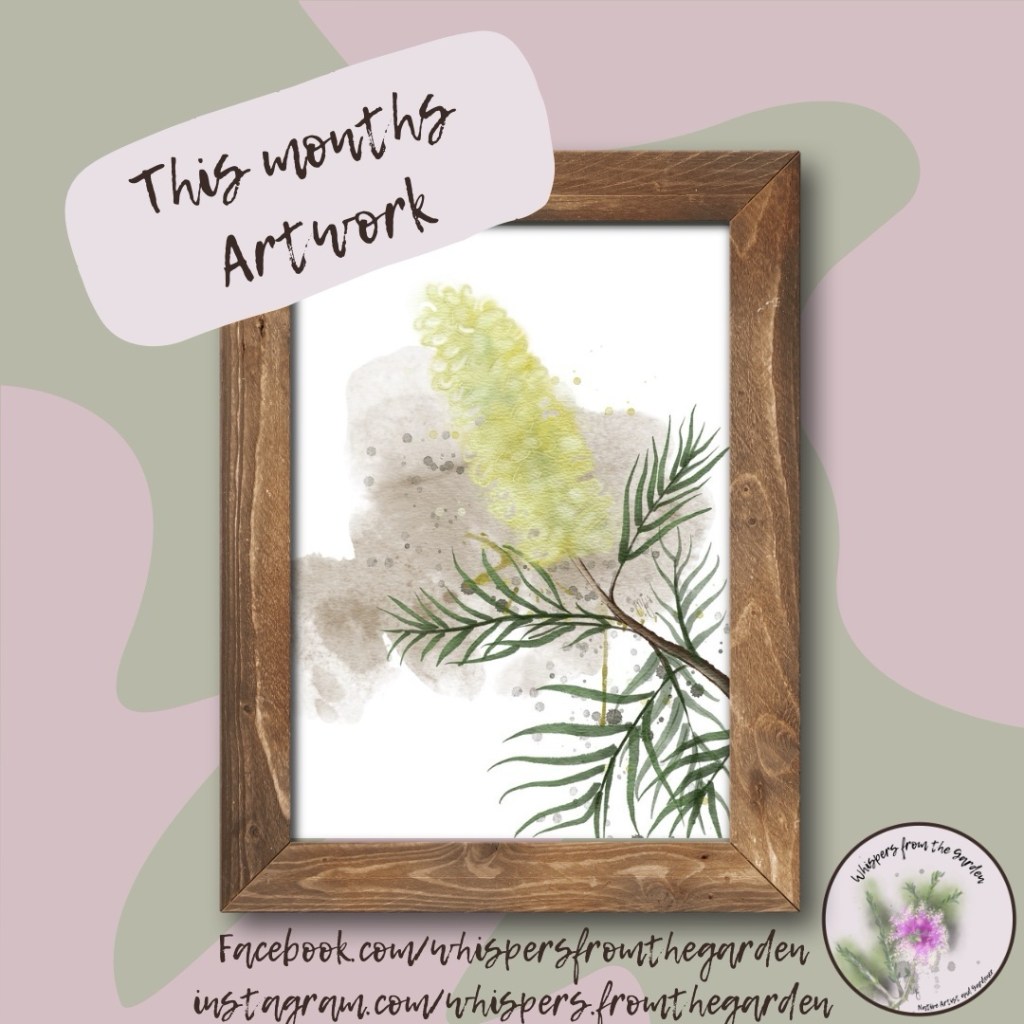
Grevillea plants are well-suited to water-wise gardening practices, as many species are drought-tolerant once established. Their ability to thrive in arid conditions makes them ideal choices for sustainable landscaping in regions with limited water resources.
The aesthetic appeal and ecological benefits of Grevillea plants make them valuable additions to modern backyards and gardens. By incorporating these native Australian species into landscaping projects, gardeners can create beautiful, wildlife-friendly outdoor spaces that promote biodiversity, conservation, and sustainability.
Wishing you endless inspiration and flourishing creativity in your art and garden endeavors. Happy creating!
Disclaimer: Planting non-native species in your area can have unintended consequences, such as invasiveness or weed-like behaviour. Before planting, thoroughly research to ensure responsible gardening. Consider native species suited to your region’s climate, soil, and ecosystem. Consult local experts for advice on suitable plants and potential impacts. Be mindful of characteristics that may promote dominance. Check local regulations and monitor your garden for any negative effects. Responsible planting preserves local biodiversity.



 Whispers from the Garden
Leave a comment